Patchy Lives
How protection, danger, affection, and grief gather unevenly across diverse landscapes.
Scholar · Writer · Educator
— Wendell Berry
I study how culture, language, and communication shape our relationships with nonhumans, the land, and one another, especially when conflict is present.
Explore my work ↓01 / Inquiry
The world is full of affection for the more-than-human world. The world is also full of systems that make that affection not matter.
My work is curious about what humans feel in the presence of bodies of water, spawning salmon, and calving whales — despair, awe, vulnerability — and how structures and institutions constrain those emotions and the hope they hold for a more beautiful world.
02 / Current work
Wild Lives in a Claimed World
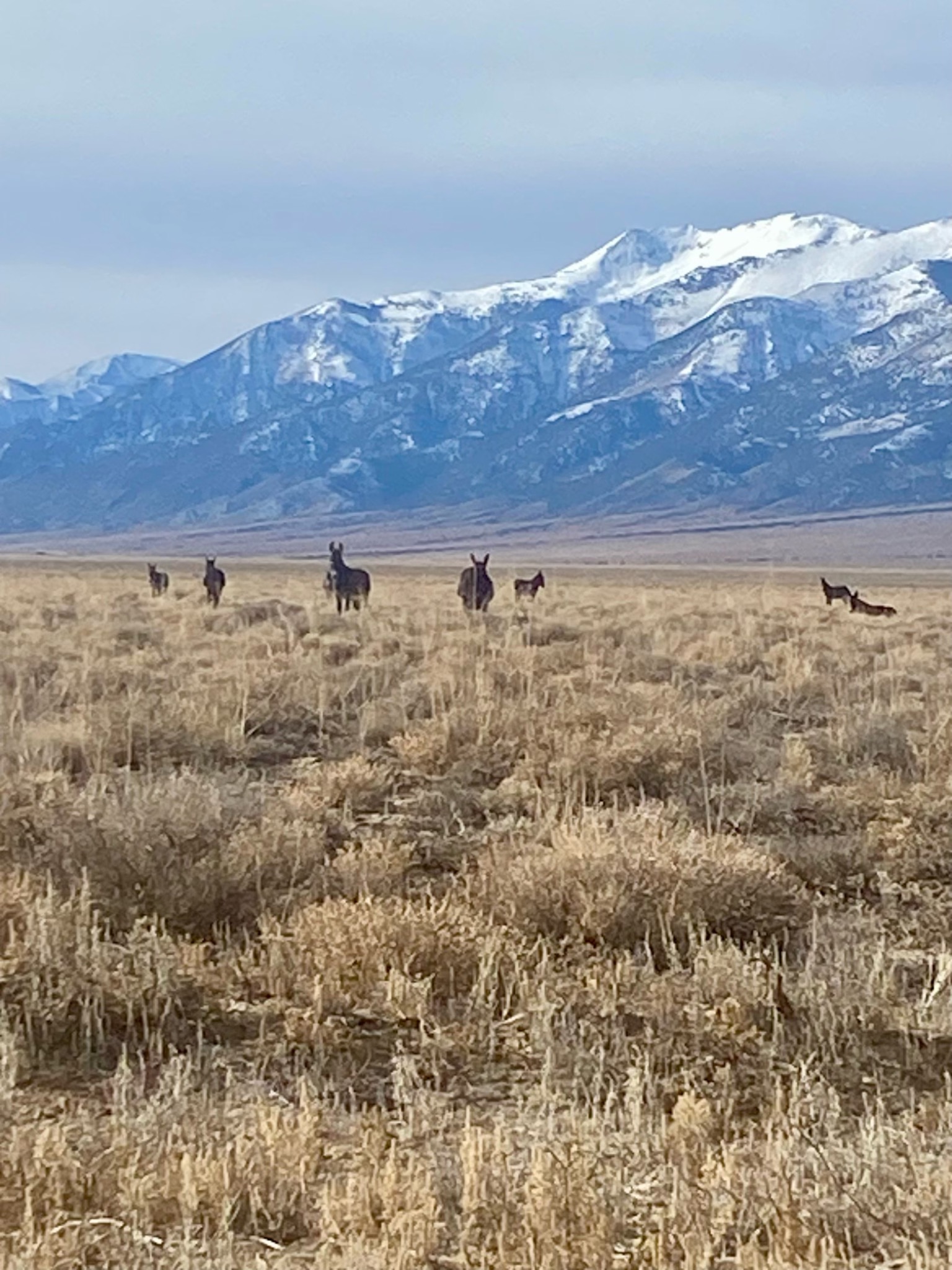
Currently, I am researching a range of unrelated wild spaces experiencing a very related problem: nonhuman animals that live in these spaces are told they cannot exist in these spaces and a variety of violent and/or thoughtless (in)actions are harming them as a result. The predator-free campaign in Aotearoa New Zealand; shark nets in Australia; ship strikes and whale entanglements in the Pacific Northwest; feral horse roundups in the Western United States; wolves that wander outside Yellowstone National Park; wild elephants electrocuted by fences in Sri Lanka; agricultural animals that fall off trucks headed to slaughter; zoo animals that escape; and the various “pests” of our food systems. One theme is common: humans rely on a variety of sketchy, patchy logics and rationales to justify violence against nonhumans that have nowhere else to go. Why is our love/affection for nonhumans not reflected in our policies and practices?
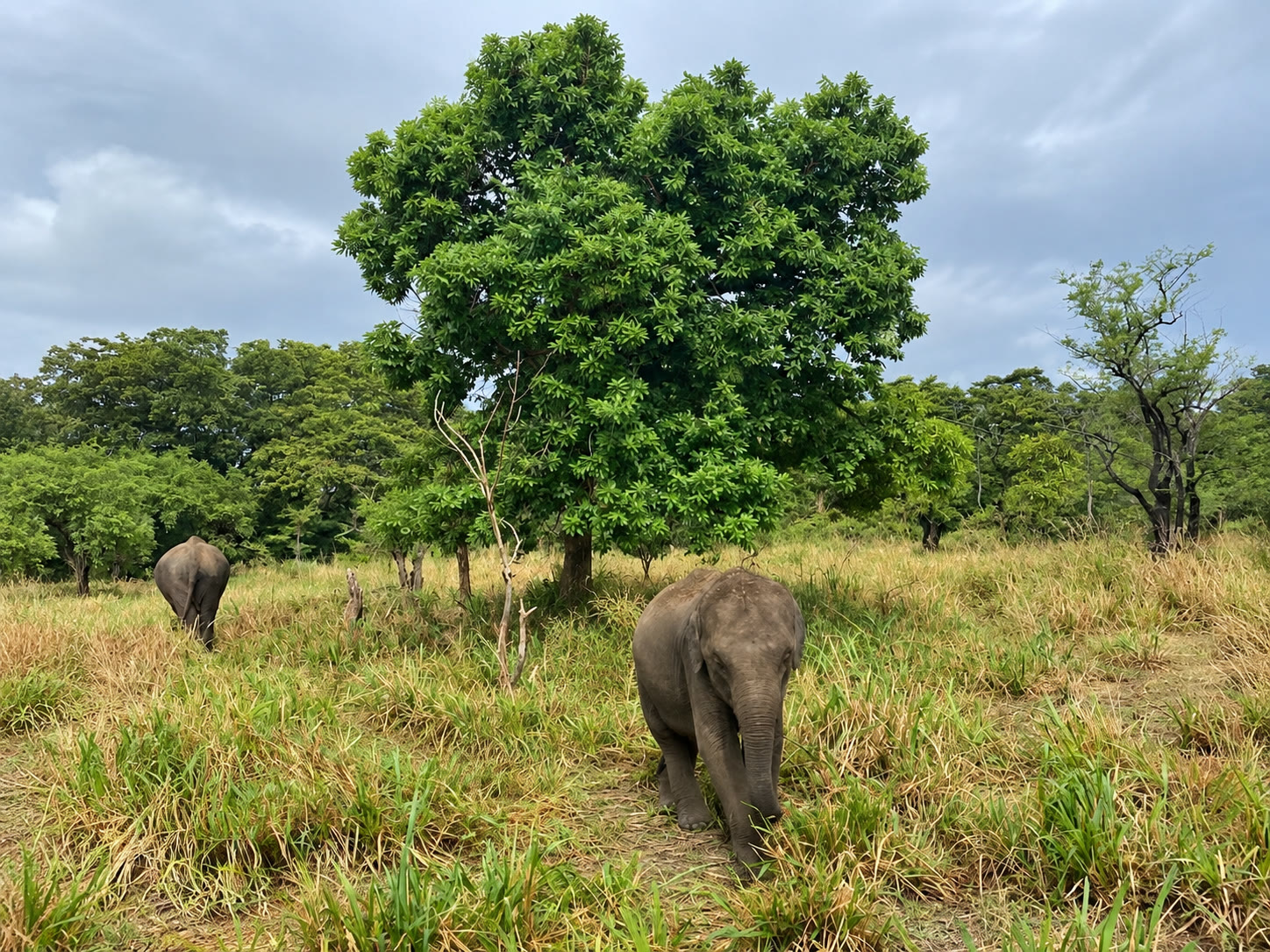
How protection, danger, affection, and grief gather unevenly across diverse landscapes.
What happens when nonhumans refuse the roles, spaces, and meanings assigned to them.
How stories and/or administrative jargon turn living beings into populations, risks, pests, and resources.
The intimate practices through which humans and other species survive environmental upheaval.
03 / Books
In development
 The Exhaustion
Wild Lives in a Claimed World
A public-facing book about the places animals are allowed to live, the boundaries they cross, and the systems that make human love for them politically inconsequential.
2021 · Co-edited with Alexa M. Dare
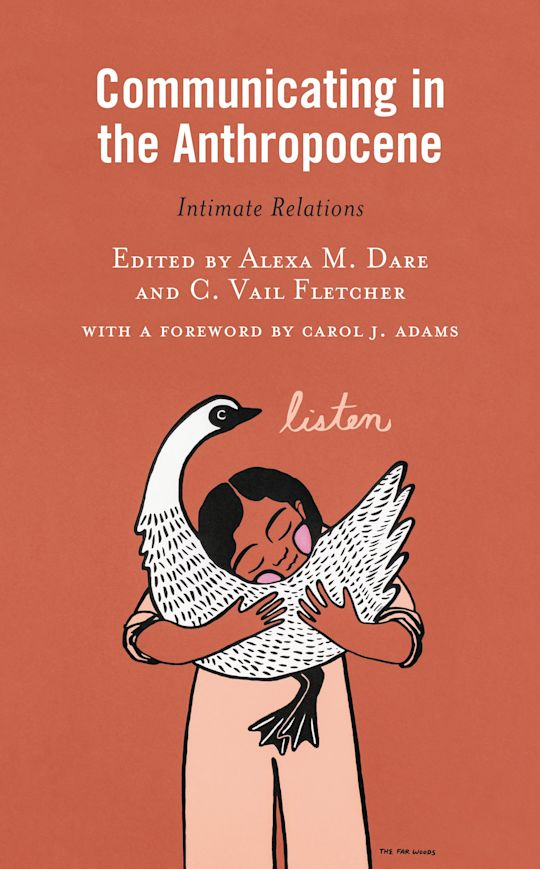
Intimate Relations
A collection that understands communication as intimacy: an always-already relation among humans, nonhumans, and land.
2018 · Co-edited with Jennette Lovejoy
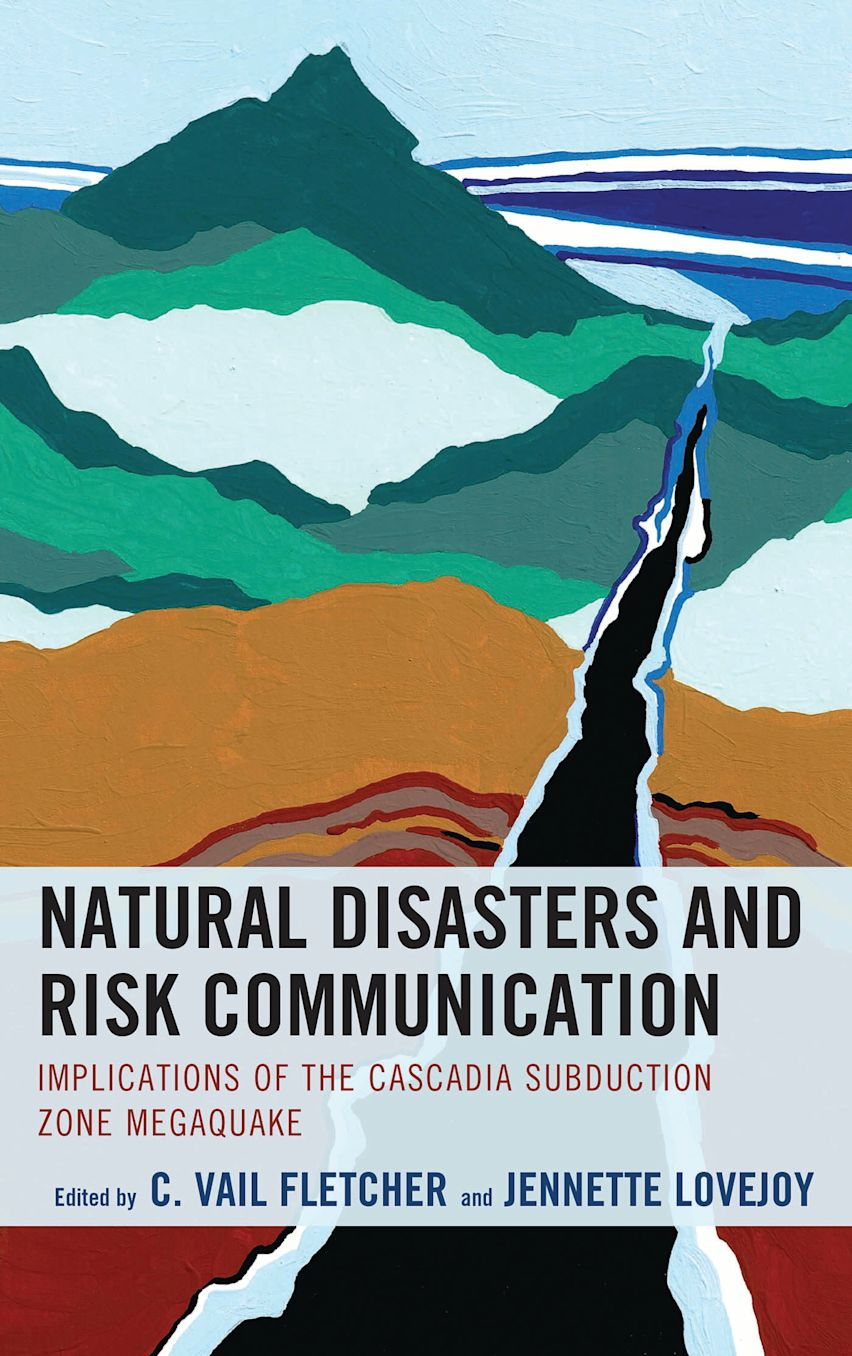
Implications of the Cascadia Subduction Zone Megaquake
How stories, institutions, families, and communities shape what people understand—and do—before and after disaster.
2013 · Co-edited volume
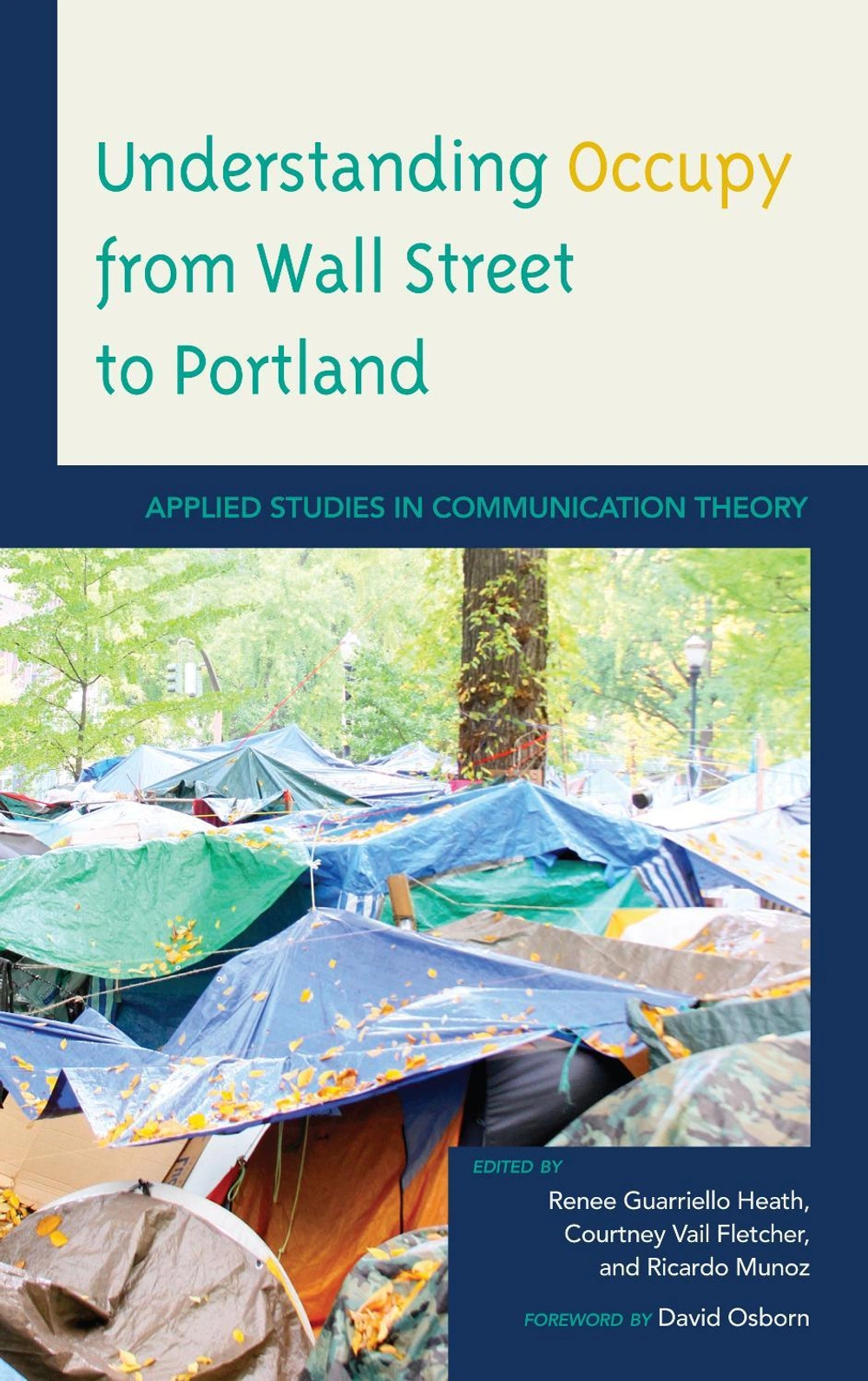
From Wall Street to Portland
Applied studies of social movements, public space, collective identity, and communication theory.
04 / Selected work
Current fieldwork · Sri Lanka
Researching how Human–Elephant Conflict (HEC) is narrated, mediated, and mourned —and what those stories make possible politically.
Journal of Ecohumanism · 2023
With Alexa M. Dare, an invitation to take mothering, caregiving, and kinmaking seriously as radical acts of ecosurvival.
Critical animal & media studies
With Alexa M. Dare, on nonhuman agency, entangled species, and the lives erased by human-centered accounts of land conflict.
Animal agriculture
With Alexa M. Dare, examining the stories that make animal bodies into meat—and the possibilities for reworlding those relations.
05 / Book series
Series editor · Bloomsbury / Lexington Books
I edit this interdisciplinary series, which brings environmental communication into conversation with media studies, rhetoric, critical geography, political science, and environmental studies. It welcomes accessible, methodologically inventive work on climate, land, water, nonhuman animals, conflict, and the cultural life of nature.
Explore the seriesTo chat about or submit a proposal to the series, email me: cvfletch@gmail.com
06 / Teaching
— bell hooks
I ask students to look closely at the stories that make the world feel inevitable—and then to imagine how those stories might be told otherwise.
Motherhood as an institution of power, a source of inequality, and a site of resistance and change. This transdisciplinary course asks students to look at motherhood using various lenses: health, politics, bodies, media, histories, etc.,
Confronting COVID-19, racial injustice, and climate crisis across disciplines to reimagine our shared futures.
Convergent educationA field course based in the Serengeti, learning from local cultural groups, and making sense of land use/conflicts in a biodiverse space.
Experiential learning (PDF)07 / Farm/Land
Attention begins in the places where lives meet: fields, tables, oceans, and the ordinary work of making a world together.
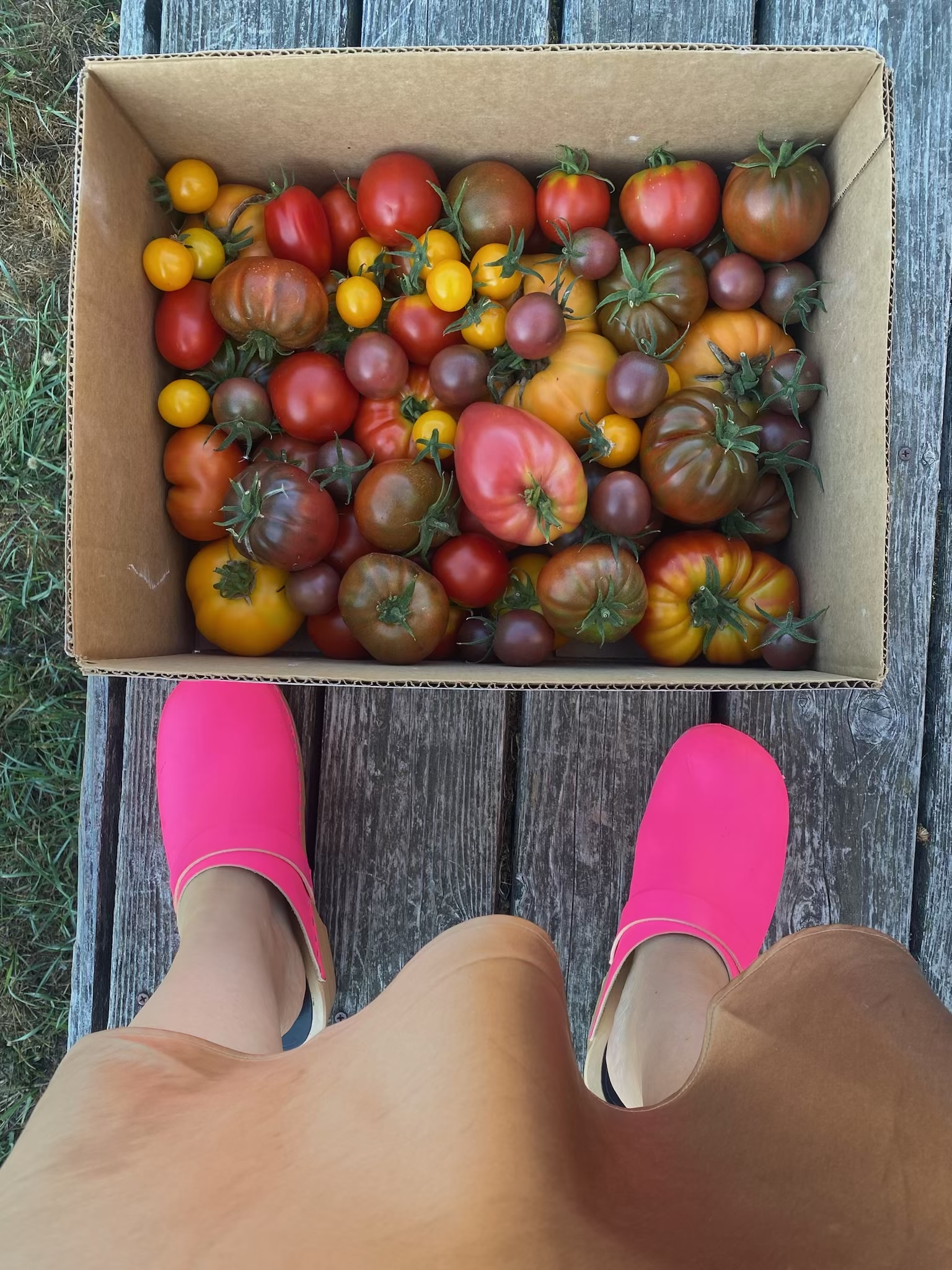
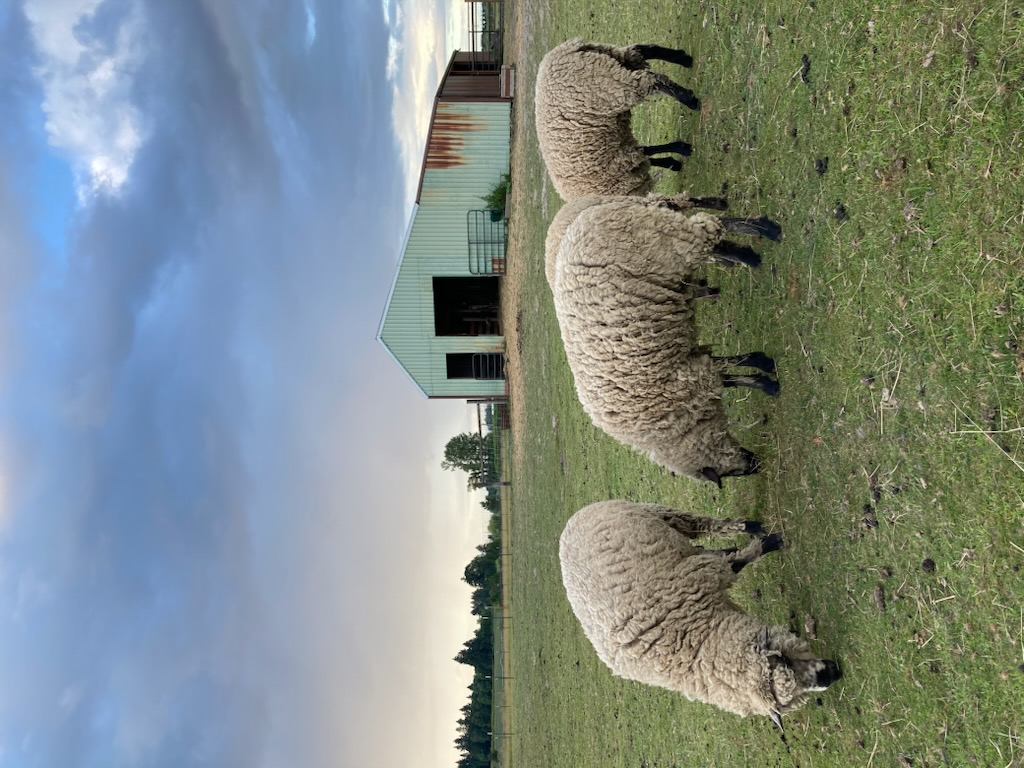
Our farm is where we are raising our three children and learning, together, how to make a little more room for the world we hope for. We care for the soil, share the land with wildlife, wear fiber from our sheep and alpacas, and grow food to nourish ourselves and others. In these small, everyday acts, we practice caring for one another and for the many lives that make this place home, leaning into the beautiful reality there is always more to do and learn.
Visit The Croft Farm Remember our sweet cow, Nellie
08 / Praxis
Practicing Earthly Coexistence
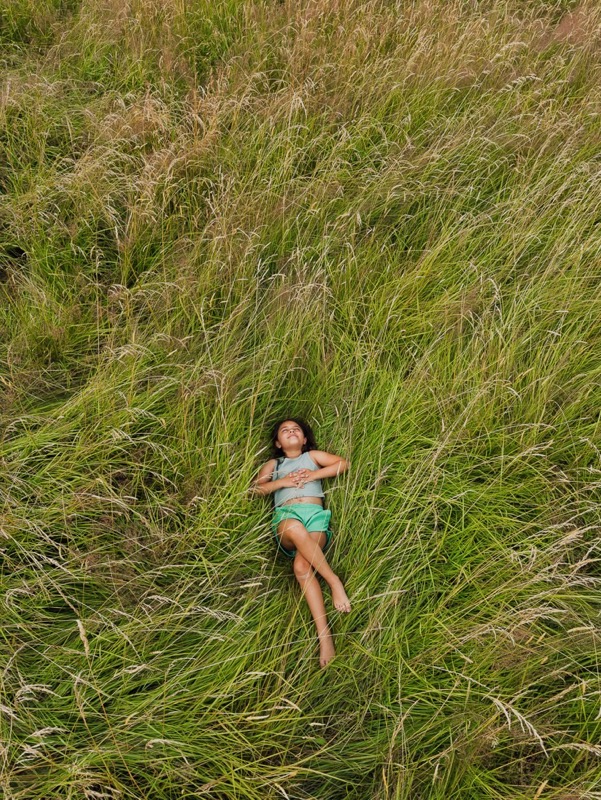
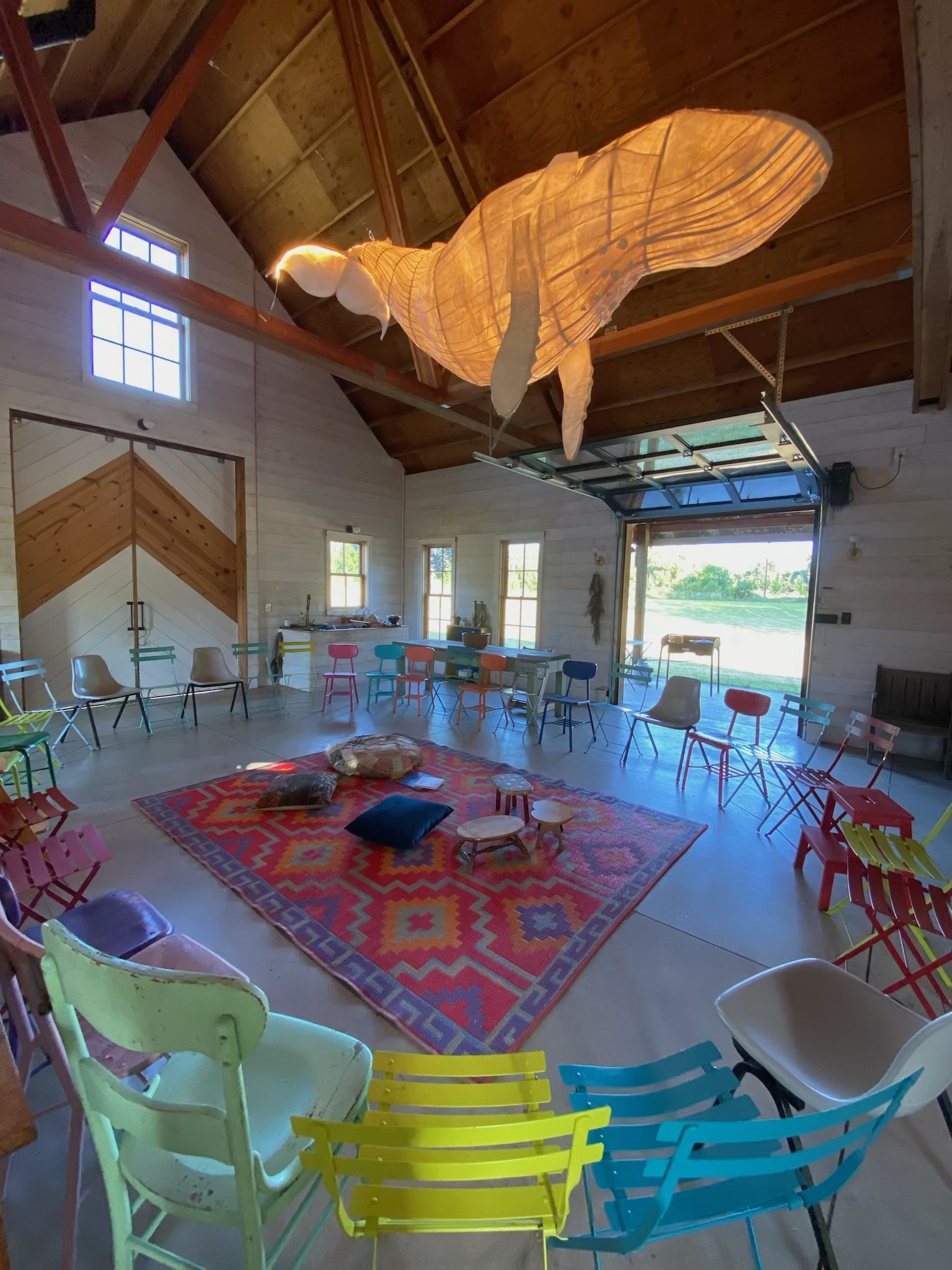
Farm School for the Future(s) is a children’s summer camp we started in 2023 and host on our farm each summer. Here, land-based living becomes a collective inquiry into how we live among many forms of life. We grow food, tend to animals, make art, sing, swim, and prepare vegetarian food together. Growing, making, and caring help us understand the ecological and social relationships that sustain us. Through this daily work, children explore interdependence as a lived condition: how soil, water, plants, animals, and human communities shape one another, and what responsibilities emerge from those relationships. We also spend the entire time living outside away from technology. We try to return to our bodies.
The school puts my scholarship into practice: What does coexistence ask of us? How do we learn responsibility, cultivate joy, and imagine different futures together? These questions take shape in everyday acts of making, tending, listening, and living alongside others. We are starting our fourth season in summer 2027 and we are dreaming big of pushing ourselves into the futures we want and need and will take care of all of us.
10 / About
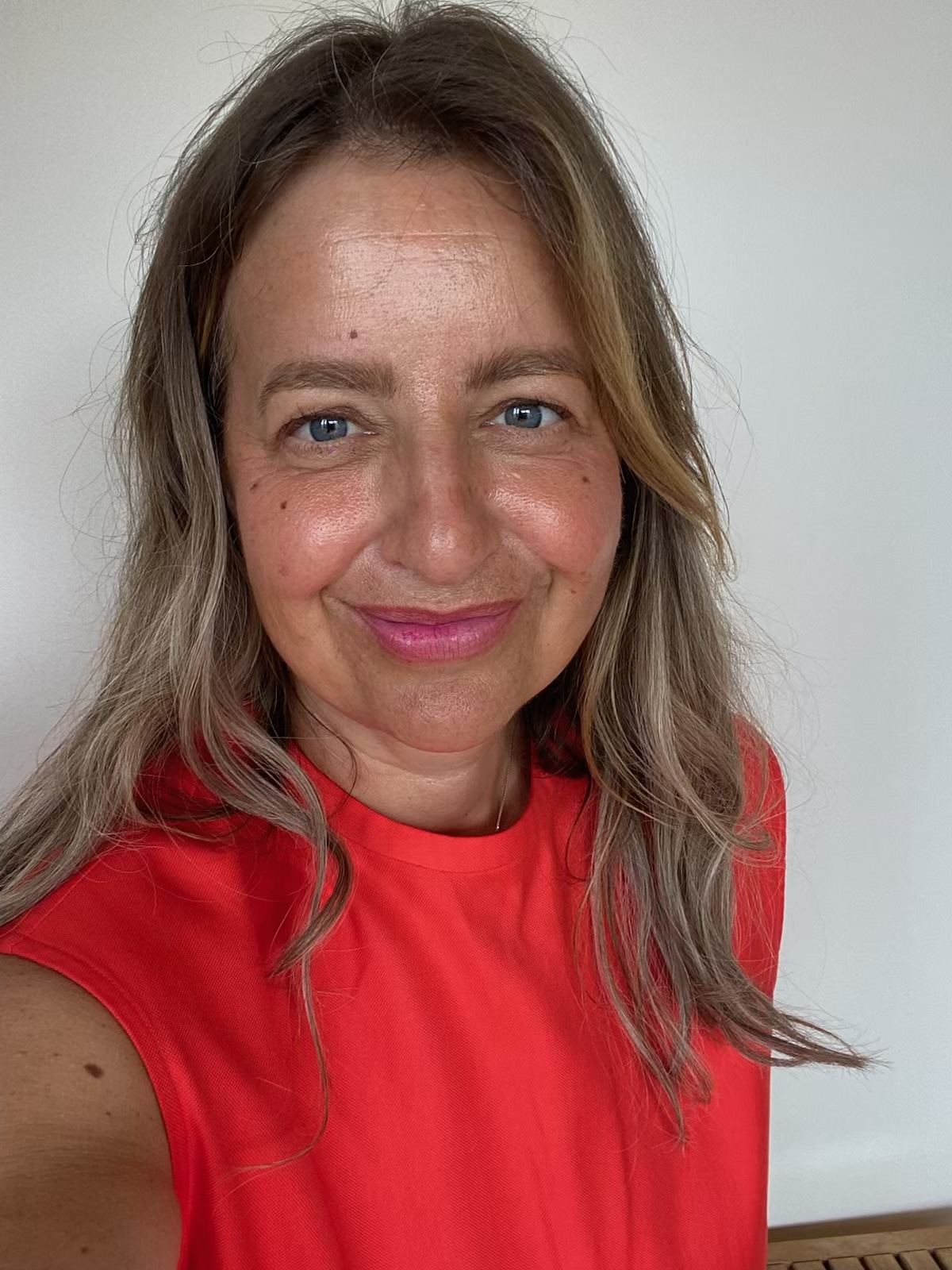
I am a professor of Communication & Media and Gender, Women, and Sexuality Studies at the University of Portland, Oregon, USA. My research moves among critical-cultural studies, environmental communication, multispecies justice, political ecology, and the ways media organize public attention.
My fieldwork and teaching have taken me across East Africa, New Zealand, China, the United Kingdom, and Sri Lanka. Across these places, I return to questions of land, power, intimacy, and what it means to decenter humans in our shared ecosystems. I hold a PhD in Communication from the University of New Mexico’s Department of Communication & Journalism, where my doctoral training brought critical cultural studies, conflict, and social change into conversation. While there, I was also trained as a conflict mediator.
11 / Reading
Media and academic articles on nonhuman animals, land, culture, and our shared worlds.
On the language used to describe encounters between sharks and humans, and what those words make possible.
Read article